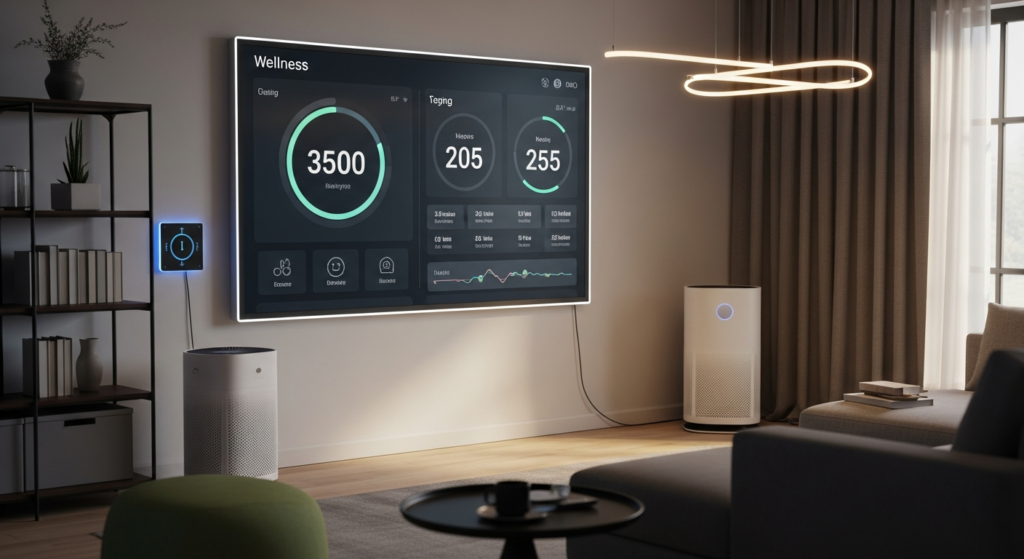
Modern smart home interior with health-focused automation devices
In 2026, home improvement ceases to be about the visual improvement or the rising of property value. It has taken the next level, to become more meaningful, a living space that is actively health and well-being promoting. Intelligent and wellness-oriented houses are made in such a way that they improve physical comfort, mental relaxation and the quality of life. As individuals spend more time in buildings, there has been a shift towards creating buildings that are not only practical, but also restorative and health-oriented.
The emergence of Wellness-Based Housing.
The increased consciousness of health and the lifestyle balance has resulted in a major change in designing and upgrading homes. Comfort, air quality, and mental tranquility have become priorities of people in comparison with strictly ornamental elements. This transformation is re-inventing the point of home improvement in contemporary times.
The Major Factors that Underlie the Trend.
- Building awareness about indoor air pollution and health hazards.
- Need to have stress free and relaxing homes.
- Expansion of remote working culture and home lifestyles.
- Increasing concern with holistic health and self-care practices.
- Smart living is possible with the technological innovations that allow living smarter.
Influence on Home Design.
The home design nowadays is more mindful and healthy. Open spaces, natural lighting, and enhanced ventilation have become necessity components instead of some of the optional features. Designers are working on the elimination of clutter and making serene spaces that enable residents to be relaxed and concentrated. The incorporation of nature-based features is also an important measure to improve the overall living experience.
Intelligent Technology that boosts Healthy Living.
Wellness-centric homes are centred around technology. Smart devices are no longer considered a convenience but they are increasingly playing a role towards healthier lifestyles through monitoring, automation and bettering the daily living conditions.
Smart Capabilities that aid in Wellness.
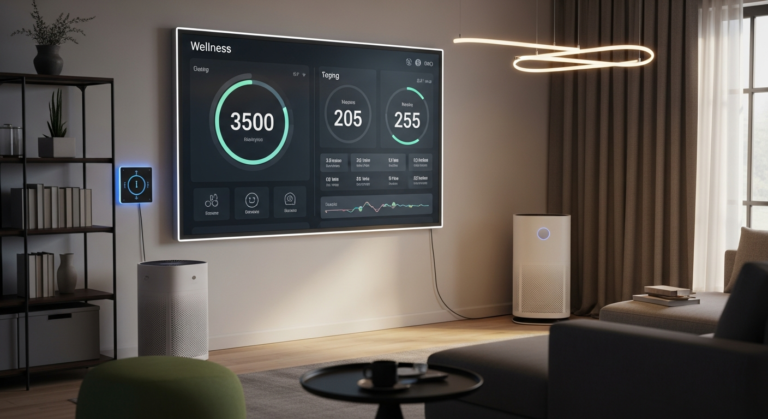
- Monitors and air purifiers that monitor the level of pollution.
- Intelligent lighting systems that help in natural sleep patterns.
- Air-conditioning to provide optimum comfort.
- Water treatment systems that provide clean drinking water.
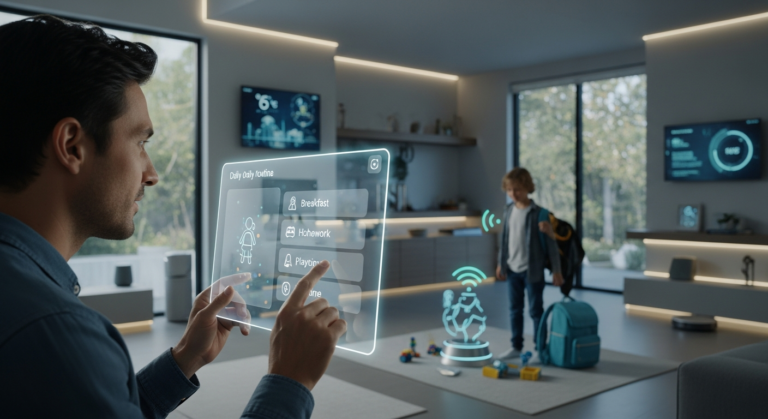
- Automation with voice control that enhances the daily stress.
Smart Integration Strengths.
Intelligent technology enables homeowners to keep a healthier environment without any difficulties. These systems are real time systems that vary settings according to the varying conditions. An example is lighting systems which are able to change according to the time of day to facilitate improved sleep, and air purifiers which can change in response to air pollution. This fully automated smooth movement does not just enhance comfort, but also enhances long term health benefits.
Designing for Mental and emotional well-being.
A wellness-based house is not only physical but also equally based on mental and emotional wellness. Home design and layout may considerably influence mood, stress and productivity.
Factors That Facilitate Mental Health.
Relaxing space begins with consideration of design. The wood and stone used as natural materials provide the feeling of connection and closeness to nature. Indoor plants are known to improve air quality, improve mood and stress. Silent areas where one can relax, meditate, or read are beneficial in removing individuals of the daily stresses. Minimalist interiors do not clutter the visuals, making a space seem more structured and calm and soundproofing helps to get rid of the undesired noise, which makes the space more serene.
Importance of Personalization
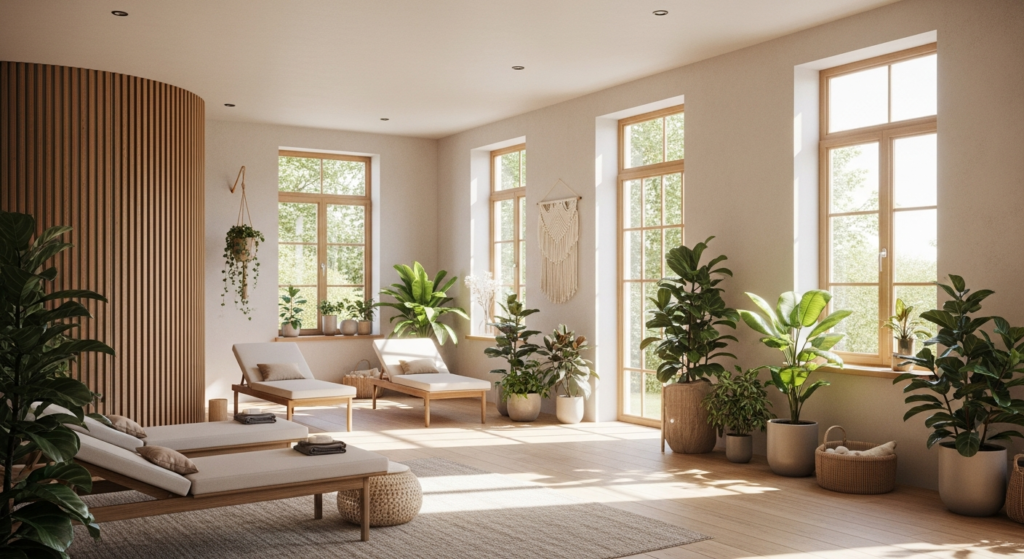
Individuals are unique and need to be designed individually in terms of wellness, and this element of contemporary homes makes personalization a significant factor in the design. Others may be drawn to a yoga or meditation area and others may like a creative area or reading nook. Customized areas will enable house owners to pursue activities that enhance relaxation and happiness with the end result being overall well-being.
A Sustainable Life as a Cardinal Element.
Wellness is greatly connected with sustainability. Environmentally friendly homes do not only minimize the environmental effect but also provide a better healthier indoor environment. Non-toxic materials and energy-efficient systems used help in improving the standards of living.
Modern Home Sustainable Features.
Green houses are designed with energy saving devices that minimize use of electricity and ultimately utility bills are minimized. There is the increased use of solar panels in order to produce clean energy, and building materials that are non-toxic enhance indoor air quality. Rainwater collection systems can be used to save water and smart irrigation systems can be used to make sure that there is effective utilization of the resources in the gardens and green areas.
Long-Term Advantages
Sustainable living is economical in the long-term. These houses provide a better environment as they lessen the exposure to toxic chemicals and pollutants. Moreover, they help to preserve the environment, the effects of which are more extensive in terms of community health and health in the future.
The Future of Home Improvements.
The future of home improvement is in the unification of technology, sustainability and wellness in one unified experience. Houses are getting smarter, more receptive and more in touch with human needs of health.
Emerging Innovations
Smart homes will be designed with AI-driven systems that will know user requirements, and modify the environment to suit them. Biophilic design will gain and be popular; it will introduce the natural elements to indoor space. The smart kitchen will aid in improving the healthier eating habits whereas advanced filtration systems will provide cleaner water and air. Connection with wearable devices will also contribute to the possibility of monitoring and improving the health of the person at home.
Conclusion
Smart and wellness homes will be a significant change in our understanding of comfortable living. They transcend the aesthetics to the active construction that improves physical, mental and emotional health. These houses offer an ecologically friendly and healthier lifestyle by combining clever technology, responsible practices, and considerate design. With this trend on the rise, an investment in wellness oriented home improvement is not only a recent decision but a long lasting investment in the improvement of better living.
Frequently Asked Questions (FAQs)
1. What is a home which is wellness-centric?
A home built around wellness aims to aid in the general well-being with intelligent technology, eco-friendly materials, and design.
2. Is a smart wellness home costly?
They can be more expensive in the short term but offer more savings in the long term and health advantages.
3. What can I do to begin to make my home wellness-oriented?
Start with the enhancement of air quality, vegetation, natural materials, and installing simple smart devices.
4. Are wellness homes beneficial to mental health?
Yes, such characteristics as natural light, spaciousness, and simplicity of design are helpful to decrease stress.
5. Does a wellness home need to be sustainable?
It is very useful since it enhances an individual health and environmental condition.
Share this content: