Education
Education has always been at the heart of societal progress, but the ways in which we learn and teach are undergoing a dramatic transformation. With rapid advancements in technology, the traditional classroom setting is evolving into something much more dynamic and interactive. From online learning platforms to AI-driven tools, technology is reshaping how knowledge is imparted and consumed, making education more accessible, personalized, and effective. Let’s explore how these innovations are revolutionizing education and what the future of learning may look like.
1. The Rise of Online Learning
One of the most significant changes in education in recent years has been the widespread adoption of online learning platforms. Whether through MOOCs (Massive Open Online Courses), virtual universities, or self-paced online courses, technology has made education more accessible than ever before. Platforms like Coursera, edX, and Khan Academy are providing learners from all walks of life the opportunity to gain knowledge and skills in various fields without the need to attend traditional brick-and-mortar institutions.
The COVID-19 pandemic further accelerated this shift, forcing schools and universities to adopt virtual classrooms at an unprecedented scale. This rapid transition highlighted the potential of online learning to deliver quality education beyond geographical and financial barriers. Moving forward, it is likely that hybrid learning models—combining online and in-person components—will become the norm, offering learners more flexibility and convenience.
Impact on the Future: Online learning has made education more accessible, allowing learners to access quality courses regardless of location. This democratization of education is empowering a global audience to acquire new skills and knowledge at their own pace.
2. Artificial Intelligence and Personalized Learning
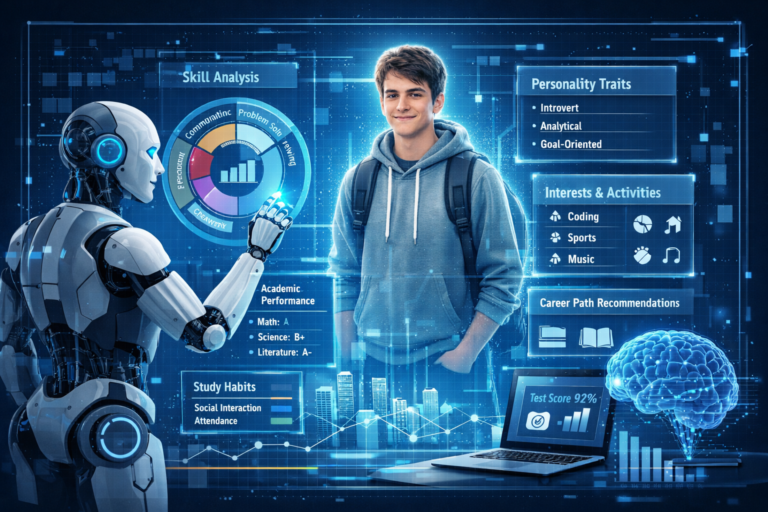
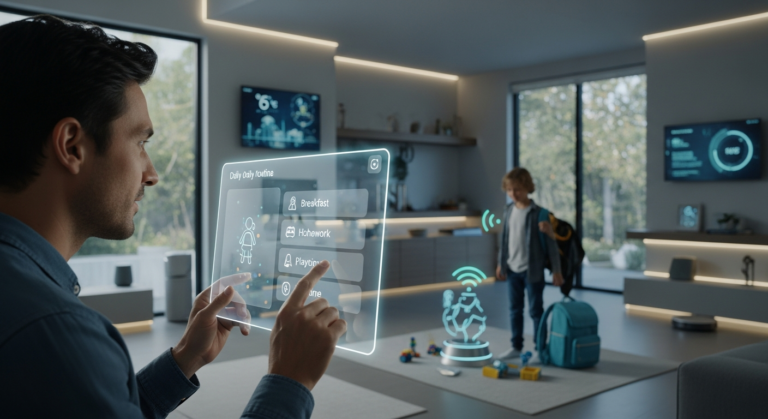
Artificial Intelligence (AI) is beginning to play a transformative role in education by personalizing the learning experience for students. Traditional education systems often adopt a one-size-fits-all approach, but AI can tailor lessons and assignments to each student’s learning style, pace, and ability. Through data analytics, AI can track student progress and provide real-time feedback, helping teachers identify areas where students are struggling and offer personalized support.
AI-powered tutoring systems, like Carnegie Learning, can offer additional help to students outside of the classroom. These intelligent systems adapt to the learner’s needs, offering custom exercises and assessments that help reinforce key concepts. As a result, students can receive individualized attention that would have been difficult to provide in traditional classroom settings.
Impact on the Future: Personalized learning powered by AI allows for more tailored educational experiences, ensuring that students receive the support they need to succeed, regardless of their starting point or learning speed.
3. Virtual and Augmented Reality in Education
Virtual reality (VR) and augmented reality (AR) are changing the way students interact with learning material. VR allows learners to immerse themselves in entirely virtual worlds, while AR overlays digital content on the physical world. In education, these technologies are being used to create interactive, hands-on experiences that were previously unimaginable.
For example, VR can transport students to historical events, allowing them to experience history firsthand, or take them to distant planets to explore the universe. In medical and engineering programs, VR simulations allow students to practice complex procedures or designs in a controlled, risk-free environment. Similarly, AR can enhance textbooks and learning materials by providing additional layers of information through a smartphone or tablet, making learning more engaging and interactive.
Impact on the Future: VR and AR are not only making learning more engaging, but they are also providing students with practical, real-world experiences that enhance comprehension and retention. These immersive technologies are set to revolutionize fields like medicine, engineering, and the arts by offering experiential learning opportunities.
4. Gamification and Interactive Learning Tools
Gamification—the integration of game design elements into non-game contexts—is making learning more engaging and fun. By incorporating rewards, points, badges, and leaderboards, educators can motivate students to actively participate in their learning journey. Gamified platforms, like Duolingo (for language learning) and Khan Academy (which uses badges to track progress), are helping learners stay motivated by making education feel more like a game.
In addition to gamification, interactive learning tools such as simulations, quizzes, and virtual labs are providing students with hands-on learning experiences. These tools make education more interactive and less passive, encouraging students to take a more active role in their learning.
Impact on the Future: Gamification and interactive learning are increasing student engagement, fostering a sense of accomplishment, and providing students with an immersive, active approach to learning that makes difficult concepts more digestible.
5. Collaborative Learning and Global Classrooms
Technology is also enabling collaboration on a global scale, making education more inclusive and interconnected. Through online platforms, students can collaborate with peers from around the world, sharing ideas, working on projects, and gaining perspectives from diverse cultures. Tools like Google Classroom, Slack, and Microsoft Teams are making it easier for students and teachers to communicate, share resources, and work together, regardless of geographic location.
This shift towards collaborative learning fosters critical thinking, problem-solving, and teamwork—skills that are highly valued in today’s job market. Moreover, global classrooms help students develop cross-cultural awareness and understand global issues, making them better prepared for a connected and globalized world.
Impact on the Future: Collaborative learning and virtual classrooms are enhancing global connectivity and fostering a sense of community among learners. This interconnectedness is helping to build global citizens who are more culturally aware and equipped to tackle worldwide challenges.
6. Data Analytics for Better Decision Making
The use of data analytics in education is providing educators with powerful tools to improve student outcomes. By analyzing large datasets, schools and universities can gain insights into student performance, identify trends, and make data-driven decisions to enhance learning experiences. This includes tracking attendance, monitoring engagement, and assessing the effectiveness of teaching methods.
Educators can also use data analytics to tailor their teaching methods to better meet the needs of their students. By recognizing patterns and areas where students are struggling, schools can implement targeted interventions to improve learning outcomes.
Impact on the Future: Data analytics is enabling educators to make more informed decisions, optimizing teaching strategies, and ensuring that students receive the support they need to thrive.
Conclusion: The Future Is Bright for Education
Technology is reshaping the education landscape, opening up new possibilities for learning and teaching. From online courses and AI-driven personalization to immersive VR and global classrooms, the future of education is more engaging, accessible, and efficient than ever before. As technology continues to evolve, the way we learn will continue to transform, providing students with new opportunities to acquire knowledge and skills that will shape their futures.
Share this content: